

The waiting game
Classical chess games can last for hours. They require patience, concentration and sometimes a lot of waiting. For the audience, this can be quite a test. I once heard a comedian joke, “I went to watch a chess match. I should have brought Ludo with me.”
But what about the people who cannot simply leave?
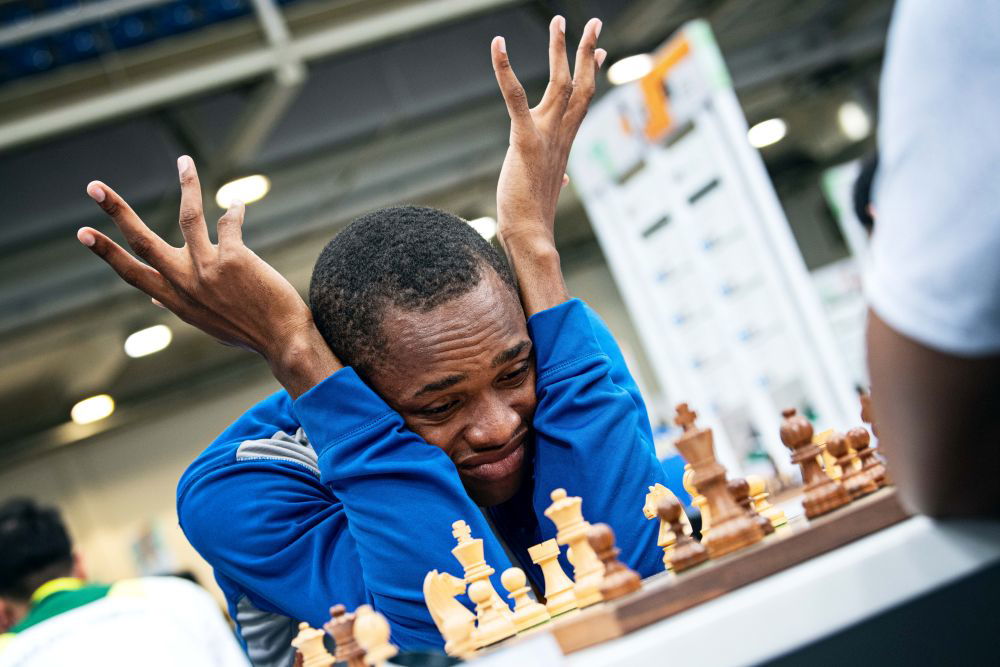
I have often wondered what seconds and captains do while their players are deep into a classical game. Do they watch a movie? Go out for a coffee? Take a walk?

At the recent Chess Olympiad, I saw many pictures of captains in the playing hall. Imagine being a captain. Four players from your team are playing their games, and you have to remain in the playing hall until the matches are over. Sounds tough to me. I would probably be up for it if I were allowed to bring my phone and headphones. I could happily spend those hours watching some cringe-worthy shows. If not, I could probably spend a few hours painting.

In reality, this can't happen. So what does a captain do? Once a round begins, a captain's real work is done. The lineup has been submitted, the pairings are fixed, and not a single change can be done. You can't signal anything to your players. All that's left is to sit, which sounds hard.
The captains, it turns out, found a simple answer. They read.


It doesn't look like the captains were reading about chess at all. But I wonder: what if these captains simply got together and played a board game while their players were busy playing? Sounds better, no? So here is a modest proposal for FIDE: a Captains' Lounge! Stock it with board games and playing cards. It is all for the captains’ well-being, of course...

All jokes aside, the captains deserve far more credit than they usually get!
In a team event, a player gets a rest day when the lineup rotates. The captain never does. Every round, they are there. Before the tournament, they help the players prepare. After a painful loss, they are the first person a player needs to see. And before the next round, they are the ones who have to bring the confidence back.
When a team wins, the players take the applause. When a team struggles, the captain absorbs the pressure.

So here is a big shoutout to all the captains from every team at the Olympiad. The Captains' Lounge may still be a dream, but the respect is very real! :)


